
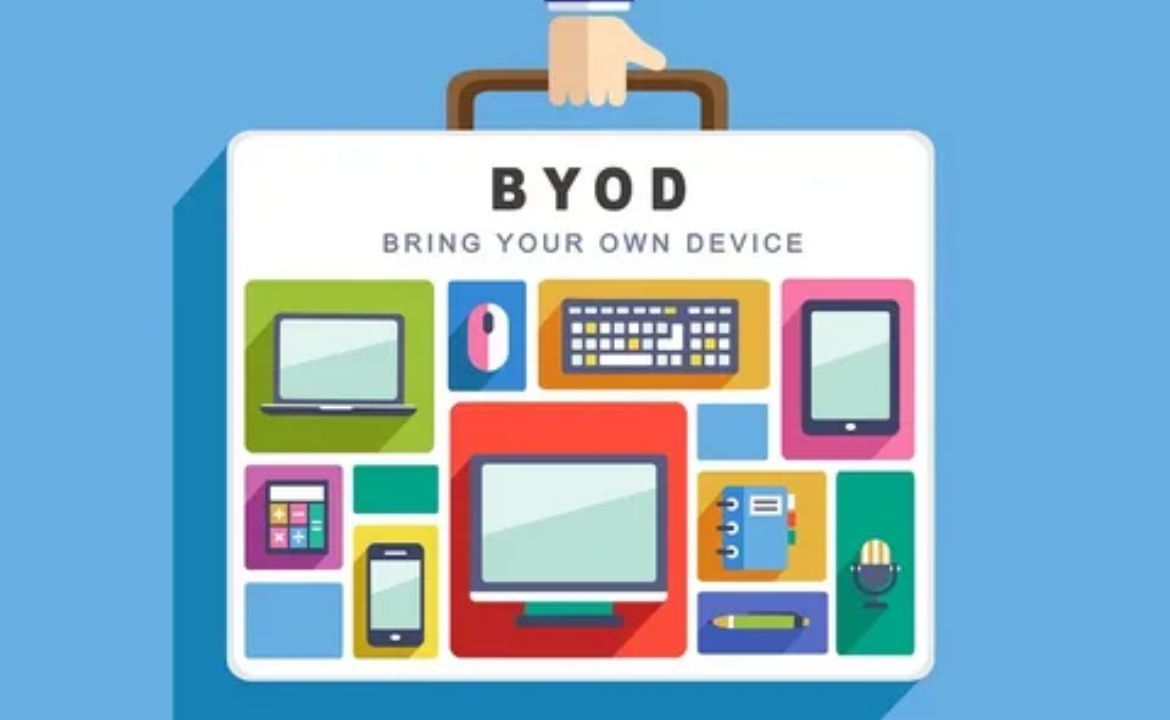
In the ever-evolving landscape of modern business, small companies are increasingly looking for ways to reduce operational expenses while maintaining a high level of productivity. One approach that has gained significant attention in recent years is the concept of Bring Your Own Device (BYOD). This practice, where employees use their personal devices for work purposes, offers numerous advantages, particularly in terms of cost savings. However, for small businesses, implementing BYOD can come with its own set of challenges and risks. This article explores how BYOD can help small businesses save costs, the benefits and potential drawbacks, and how tools like Hypori can facilitate the smooth adoption of this approach.
The Rise of BYOD: A Cost-Effective Solution
For many small businesses, the financial burden of purchasing and maintaining technology for employees can be overwhelming. Computers, smartphones, tablets, and other devices represent a significant expense, especially for businesses that need to equip a large workforce. By implementing BYOD, companies can mitigate some of these costs. When employees use their personal devices, businesses can avoid the upfront costs of purchasing new hardware, as well as ongoing maintenance, upgrades, and repairs.
Furthermore, employees are typically more familiar and comfortable with their own devices. This can lead to higher productivity since they do not have to spend time learning how to use new technology. The ability to use devices that are already in their possession can also contribute to greater job satisfaction, which in turn can reduce turnover rates—another indirect cost-saving benefit for small businesses.
How BYOD Can Reduce IT Expenses
One of the most significant costs for any business is IT management. Small businesses often lack the resources to maintain a dedicated IT department or invest in sophisticated infrastructure. With BYOD, businesses can substantially lower these costs. Employees who use their personal devices are responsible for the upkeep, including software updates, security patches, and general maintenance.
Furthermore, BYOD reduces the need for a centralized IT system to handle each individual device. Instead, businesses can adopt cloud-based solutions that are compatible with a variety of personal devices, minimizing the need for expensive server infrastructure. The implementation of cloud-based systems also allows for scalable IT solutions that grow with the business without the need for substantial additional investment.
Data Security: A Key Challenge in BYOD
While BYOD offers significant cost-saving benefits, it also presents certain risks, particularly regarding data security. Personal devices are often less secure than company-issued ones, which can lead to data breaches, malware attacks, and other cybersecurity threats. For small businesses, a data breach can be financially devastating, especially given the increasing number of regulatory requirements surrounding data protection.
To mitigate these risks, businesses must adopt robust security policies and leverage technology that secures both the company’s data and the employees’ personal devices. This is where solutions like Hypori come into play. Hypori offers virtual desktop infrastructure (VDI) that allows businesses to separate sensitive company data from the employee’s device. With Hypori, businesses can create secure, remote access environments that ensure data is protected, even when accessed from a personal device.
Managing the Challenges of BYOD
Aside from security concerns, small businesses that adopt BYOD policies need to manage a number of other challenges, such as device compatibility, support, and employee privacy. One key consideration is ensuring that all devices, regardless of brand or operating system, are compatible with the company’s software and systems. This can be a complex task, especially as employees may use a wide variety of devices and operating systems, from Android and iOS to Windows and macOS.
To address these issues, businesses should invest in cross-platform tools and solutions that support a range of devices and operating systems. Cloud-based tools, as mentioned earlier, can be particularly beneficial in this regard, as they allow employees to access necessary applications and data from virtually any device with an internet connection. Hypori, for example, is a platform that can securely deliver a virtual desktop experience across multiple devices, ensuring that employees have consistent access to their work environment without the need for specialized hardware or software.
Another challenge is maintaining the balance between security and employee privacy. Employees may be hesitant to allow their personal devices to be monitored by their employer, especially when it comes to personal data such as photos, messages, or contacts. To address this concern, businesses should be transparent about their BYOD policies and clearly define what information will be monitored and what will remain private. Furthermore, businesses should adopt tools that enable secure remote access without compromising the personal data of employees.
The Role of Hypori in Facilitating BYOD for Small Businesses
As small businesses look to adopt BYOD, they must ensure that they are not compromising on security or operational efficiency. Hypori provides a solution to these challenges by offering a virtual desktop infrastructure (VDI) that allows businesses to deliver a secure, cloud-based desktop experience to employees, regardless of the device they are using. This solution ensures that sensitive company data remains protected while still providing employees with the flexibility to use their personal devices.
Hypori’s virtual desktop solution enables businesses to manage their IT infrastructure remotely, without needing to invest in expensive hardware or a full-fledged IT team. With Hypori, companies can create a secure and consistent work environment, no matter where employees are or what devices they are using. This allows businesses to implement a cost-effective BYOD policy without sacrificing security or productivity.
Furthermore, Hypori’s approach is designed to scale with the business, meaning that small companies can start with a minimal investment and expand as they grow. This flexibility is particularly beneficial for small businesses, which often need to remain agile and adapt quickly to changing circumstances.
Improved Employee Satisfaction and Flexibility
BYOD can also contribute to improved employee satisfaction, which, in turn, can lead to higher retention rates. Employees value the flexibility of being able to use their personal devices for work, as it allows them to work from anywhere and at any time. This can be especially valuable for small businesses that may not have the resources to provide office space or equipment for all employees.
Offering flexibility also demonstrates trust and autonomy, which can boost morale and productivity. For many employees, the ability to work from home or on-the-go using devices they are already familiar with can increase their engagement and reduce the stress that often comes with adapting to new technology.
Additionally, the cost-saving potential of BYOD can free up resources that small businesses can invest in other areas, such as employee training, marketing, or product development. This can be particularly important for startups and small businesses with limited budgets.
Final Thoughts: The Future of BYOD for Small Businesses
For small businesses, adopting a BYOD policy can be a powerful operational way to reduce costs and increase efficiency. By allowing employees to use their personal devices, businesses can save on hardware and IT infrastructure costs, while also improving employee satisfaction and productivity. However, the success of BYOD hinges on effective management of security, device compatibility, and employee privacy concerns.
Using solutions like Hypori, small businesses can create a secure and scalable BYOD environment that protects sensitive data while offering employees the flexibility they need. As technology continues to evolve, the trend towards BYOD is likely to become even more prevalent, and small businesses that embrace this shift will be better positioned to compete in an increasingly digital world.
Ultimately, with the right tools and strategies in place, BYOD can offer small businesses the opportunity to save costs while enhancing flexibility, productivity, and employee satisfaction.